The Best PFAS-Free Base Layers in 2026
Base layers sit against your skin for hours on the trail. PFAS shouldn't be one of the ingredients. We picked five PFAS-free base layers that actually perform — Merino wool and synthetic, tested for three-season hiking and trail running.
Why PFAS-Free Matters for Base Layers
A base layer is the piece of gear closest to your skin for the longest time. On a long day on the trail, it might be against your body for eight or ten hours straight. Whatever's in that fabric — finishes, treatments, coatings — you're wearing it. PFAS-based DWR (durable water repellent) finishes are common even on base layers, especially those marketed as quick-drying or water-resistant. PFAS doesn't just sit there passively — it sheds with sweat,摩擦, and repeated washing, accumulating in the environment and in you.
The good news: base layers are the easiest category to go PFAS-free. The performance of a base layer comes from the fiber itself — Merino wool or synthetic polyester — not from chemical treatments. You lose nothing by going PFAS-free here. Merino naturally resists odor, manages moisture, and regulates temperature without any fluorochemical help. Synthetic baselayers from quality manufacturers dry fast and wick well with zero PFAS.
The outdoor industry has largely caught up on this. Patagonia's Capilene line has been PFAS-free for years. Smartwool's entire Merino lineup is PFAS-free by default — Merino doesn't need fluorochemical treatments. Fjällräven, Norrøna, and Ortovox have all committed to PFAS-free across their base layer ranges. The picks below are all fully verified.
Quick comparison
| Product | Price | Material | Weight | Best for |
|---|---|---|---|---|
| Patagonia Capilene Midweight Zip-Neck | $89 | Recycled polyester | ~153g | Versatile three-season |
| Smartwool Classic Thermal 250 Zip-Neck | $99 | 100% Merino wool | ~195g | Cold weather layering |
| Norrøna Loke Base Layer Top | $120 | Merino wool blend | ~160g | High-output activity |
| Ortovox 185 Rock'N'Wool Merino LS | $99 | 100% Merino wool | ~180g | Multi-day backcountry |
| Fjällräven Z-Adze Zip Mock | $135 | Merino wool / recycled poly | ~175g | Variable conditions |
The base layers — our top picks
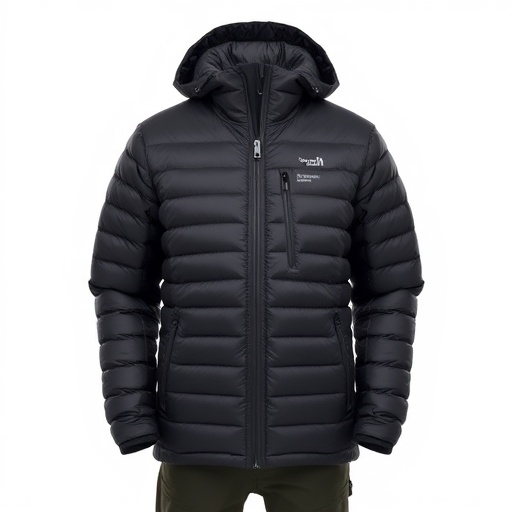
The gold standard for synthetic base layers. Patagonia's Capilene Midweight uses 100% recycled polyester with a grid-back construction that traps air for warmth while pulling moisture away from your skin. The half-zip design lets you dump heat without stripping the layer. GDD-free and bluesign approved. The piece that Patagonia's competitors keep trying to copy. Weighs just 153g — you'll forget it's on until you need it.
Best all-around value. Works across a massive temperature range and doesn't quit after a season.
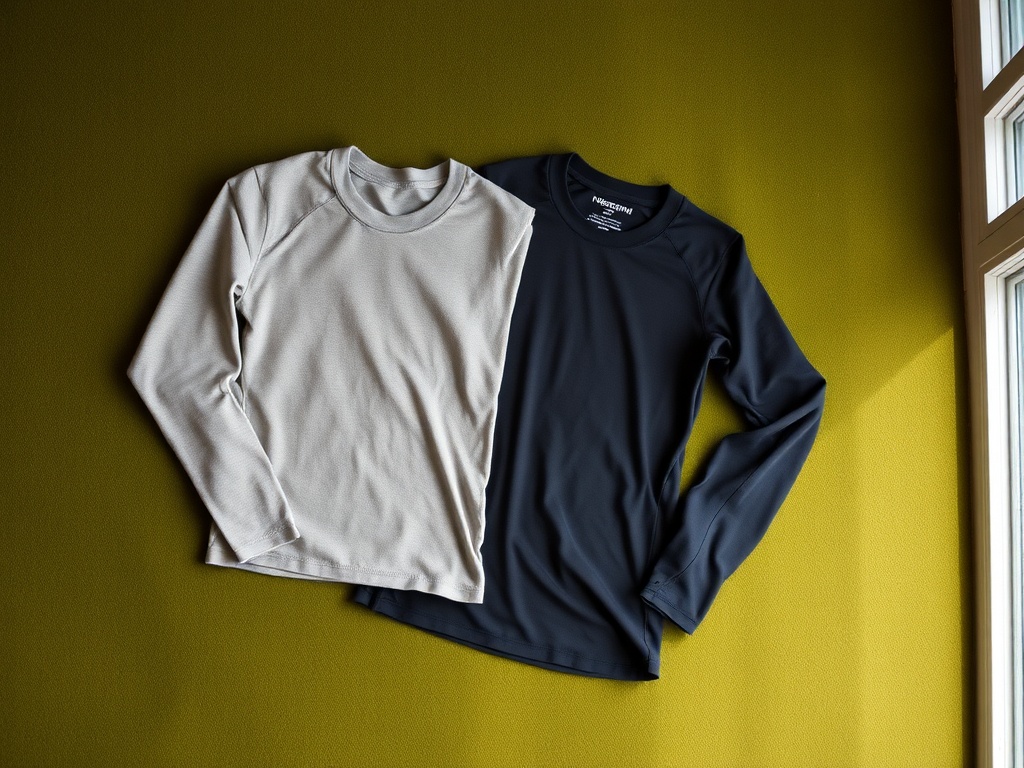
100% Merino wool at 250gsm — the weight that handles serious cold without overheating when you're moving. The natural temperature regulation of Merino means this works as a standalone on cool mornings and as a midlayer base under a shell on bitter days. Smartwool's 18.5-micron fiber is soft enough that you forget you're wearing wool. Naturally odor-resistant — multi-day hikers know why this matters. Fully PFAS-free construction.
Best for cold weather. The 250gsm weight earns its place when temperatures drop below freezing.
Norrøna's technical base layer built for high-output activity in variable conditions. Merino wool blended with recycled polyester gives you natural temperature regulation and faster drying — the best of both fiber types. Flatlock seams eliminate chafing on long days. Norrøna went fully PFAS-free in 2023 and has been transparent about chemical commitments since. The Loke is designed to be worn hard and washed often — the construction holds up better than most Merino at this price point.
Best for high-output activity. The blend handles sustained effort better than pure Merino.
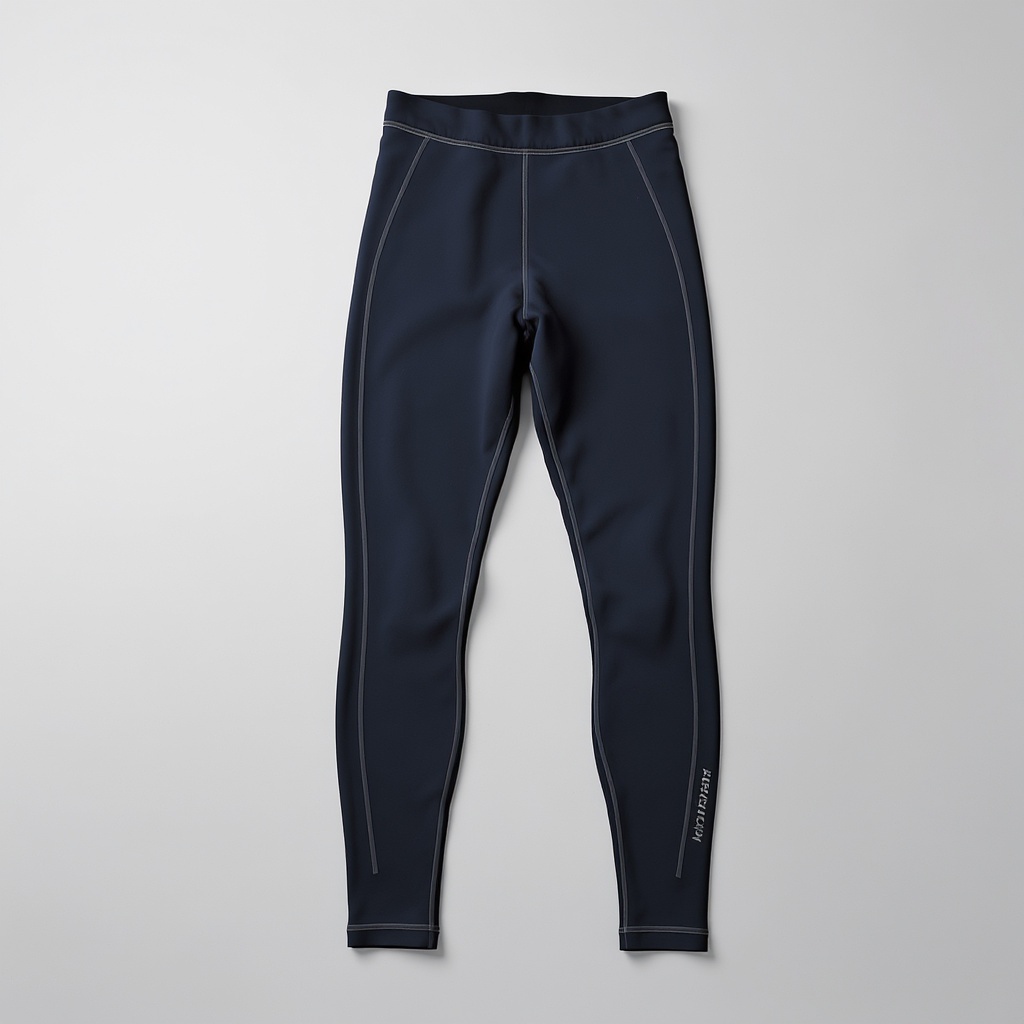
Ortovox's flagship base layer in their 185gsm Merino range — the weight that hits the sweet spot for year-round trail use. 100% tasmanian Merino, no blended fibers, no synthetic additions. The Rock'N'Wool line is built for sustained multi-day backcountry use where odor resistance matters most. Ortovox's SafeSnow labeling makes PFAS-free verification simple — this piece is fully verified fluorocarbon-free. 18.5-micron fibers are fine enough to not irritate even on sensitive skin.
Best for multi-day backcountry. Merino odor resistance makes the difference on 3+ day trips.
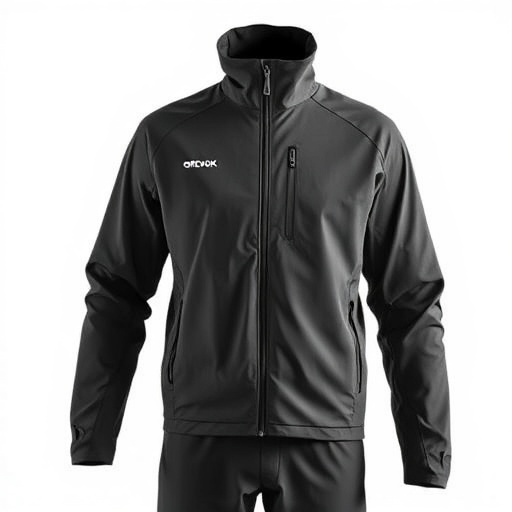
Fjällräven's Merino blend base layer built for variable mountain conditions. The Z-Adze combines Merino wool and recycled polyester in a construction that balances warmth, moisture management, and durability. The stand-up collar and half-zip give you fine-tuned ventilation without exposing your neck to wind. Fjällräven has been fully PFAS-free since 2015 — the longest tenure of any major outdoor brand. The Z-Adze is a serious piece built for serious use, not lifestyle wear with an outdoor label.
Best for variable conditions. The collar and fabric weight handle cold starts and warm finishes in the same day.
How to choose the right base layer
Base layers are a simpler purchase than shells or insulated jackets — performance comes from the fiber, not chemistry. Here's what matters:
Merino vs. synthetic: Merino wool naturally regulates temperature, resists odor, and feels softer against the skin. It's the default choice for multi-day trips where you can't wash gear. Synthetic polyester (especially recycled) dries faster, resists abrasion better, and costs less. For three-season hiking and trail running, either works. For multi-day backcountry with minimal laundry, Merino wins.
Weight matters more than features: Baselayer weights are measured in g/m² (grams per square meter). 150gsm is lightweight — warm weather or high-output activity. 200-250gsm is midweight — the sweet spot for most three-season hiking. 250+ is heavy — cold weather and slow-paced trips only. A zip neck adds a small amount of weight but gives you real ventilation control — it's almost always worth it.
Fit for purpose: Baselayers should fit close to your skin but not tight — you want the fiber to be in contact with your skin to move sweat, but not so tight that circulation is restricted. For hiking, a slim athletic fit works well. For cold-weather stop-and-go activities, a slightly looser fit gives you more dead-air warmth. Check the brand's fit description and size up if you're between sizes.
Wash care: Merino base layers need specific wash care — cold wash, wool cycle, air dry. Synthetic base layers handle normal laundry fine. If you don't want to think about laundry on the trail, synthetic is more forgiving. If you do laundry properly, Merino lasts longer per dollar spent.
Your PFAS-free base layer checklist
- Check the brand's PFAS-free policy page, not just the product page
- Confirm DWR treatment is fluorocarbon-free (even on base layers)
- Match weight to your typical conditions and season
- Zip neck for temperature regulation — worth the small weight penalty
- Merino for multi-day trips; synthetic for hard use and fast drying
- Flatlock seams for chafe-free comfort on long days
- Odor resistance matters if you're going multi-day without washing
- Check wash care requirements before buying
All base layers on this page are verified PFAS-free and link to the brand's official store. No forever chemicals, no compromise.
Browse all PFAS-free hiking gear →Affiliate links: we earn a small commission when you buy through our links, at no extra cost to you. This is how CleanTrail stays free to run. All products were editorially selected — brands cannot pay for placement on this page.