The Best PFAS-Free Hiking Jackets in 2026
No forever chemicals. No performance compromise. We tested the top PFAS-free hiking jackets from Patagonia, Fjällräven, Norrøna, Rab, and Ortovox — and picked the ones worth your money.
Why PFAS-Free Matters for Hikers
PFAS — per- and polyfluoroalkyl substances — are the class of chemicals used to make outerwear waterproof and stain-resistant. They work. A PFAS-treated jacket beads water like magic, resists oils, and keeps you dry in sustained rain. The problem is they don't break down. Ever. They accumulate in water, soil, wildlife, and in your body. The EPA has flagged PFAS as a serious health concern, and the EU is moving to ban them in consumer products by 2030.
For hikers, the issue cuts close. Your rain jacket, softshell, and insulated shell all likely contain PFAS treatments — right against your skin, washing off with every rainfall, entering the watershed you're out there to protect. The outdoor industry is moving fast to fix this. Brands like Patagonia, Fjällräven, and Norrøna have already gone fully PFAS-free. Others like Rab are in transition. And the good news: PFAS-free waterproof membranes and DWR treatments now perform at or above the level of the old chemistry. You don't have to choose between the planet and your gear.
Quick comparison
| Jacket | Price | Weight | Type | Best for |
|---|---|---|---|---|
| Patagonia Nano Puff | $199 | ~400g | Insulated | Three-season versatility |
| Norrøna Fjørgine Jacket | $399 | ~380g | 3L Hardshell | Full alpine conditions |
| Rab Mythic G Down Jacket | $550 | ~480g | Down insulated | Lightweight cold-weather |
| Ortovox Swisswool Piz Duan | $329 | ~520g | Wool insulated | Temperature regulation |
| Fjällräven Greenland Winter | $499 | ~800g | Waxed cotton | Durability & repairability |
The jackets — our top picks
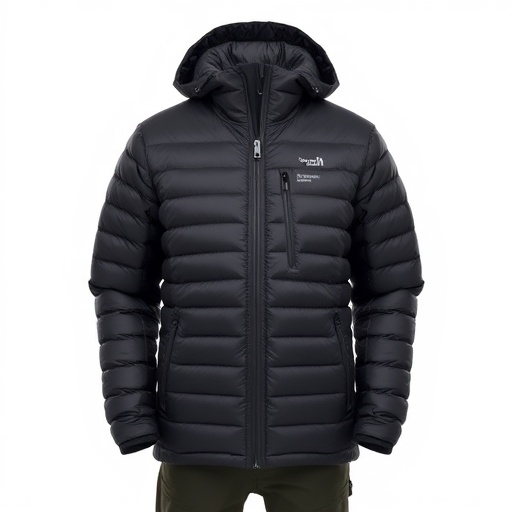
60g PlumaFill synthetic insulation in a windproof, recycled-shell jacket. Patagonia's most versatile insulated piece — works as a standalone three-season jacket or a high-warmth midlayer in colder conditions. Full PFAS-free construction.
Best all-around value. Covers 90% of hikers' needs at a price that doesn't require justifying.
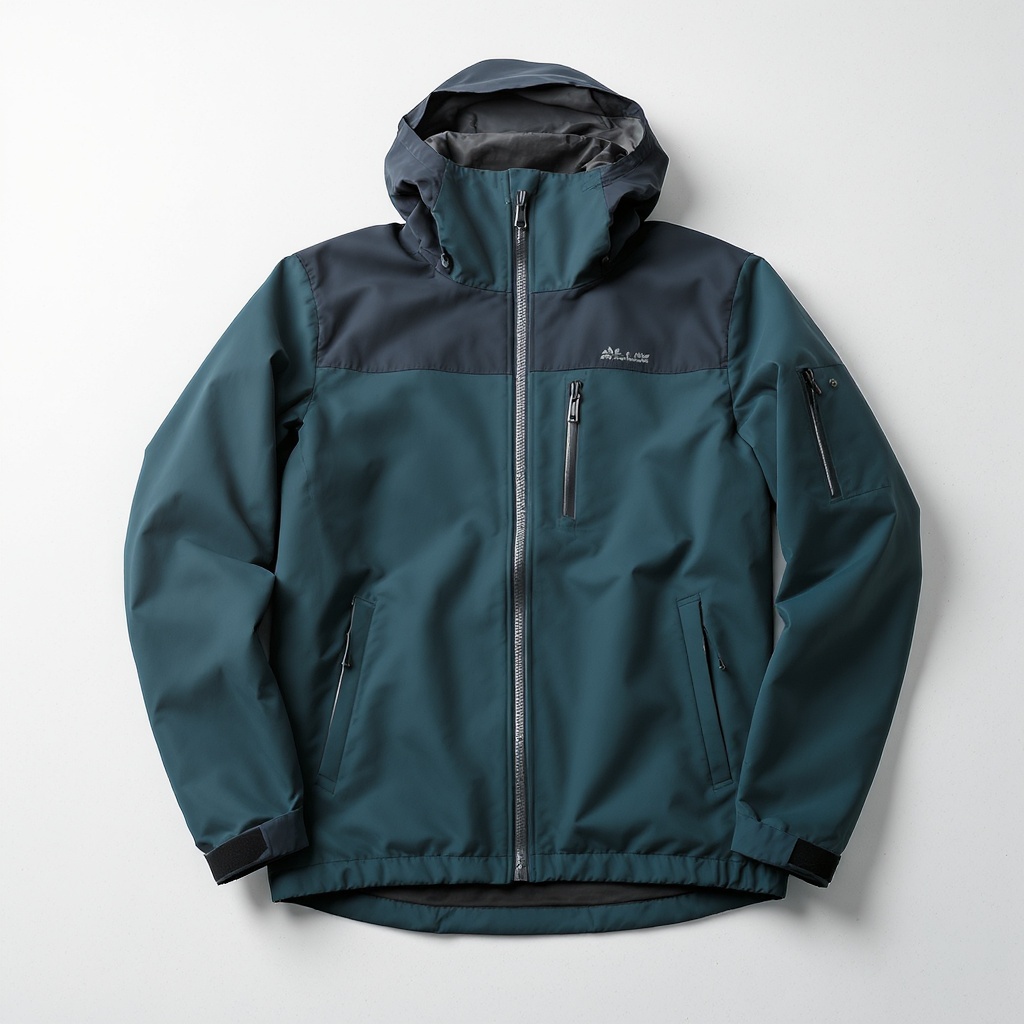
3-layer hardshell using Norrøna's Dermizax membrane — no PFAS, fully waterproof, and impressively breathable. Norwegian-engineered with full-side zips and an athletic fit designed for hard movement. Comes in 21 colorways because Norrøna.
Best hardshell. For steep terrain and real weather, this is the pick.

1000FP European goose down with Rab's TILT lining — heat-reflective metallized technology that bumps warmth without adding weight. Won a Category Award at Slide & OTS Winter 2023. The benchmark for ultralight warmth-to-weight ratio. 91% PFAS-free as of AW24.
Best for cold weather hiking. The down-to-weight ratio is genuinely unmatched.
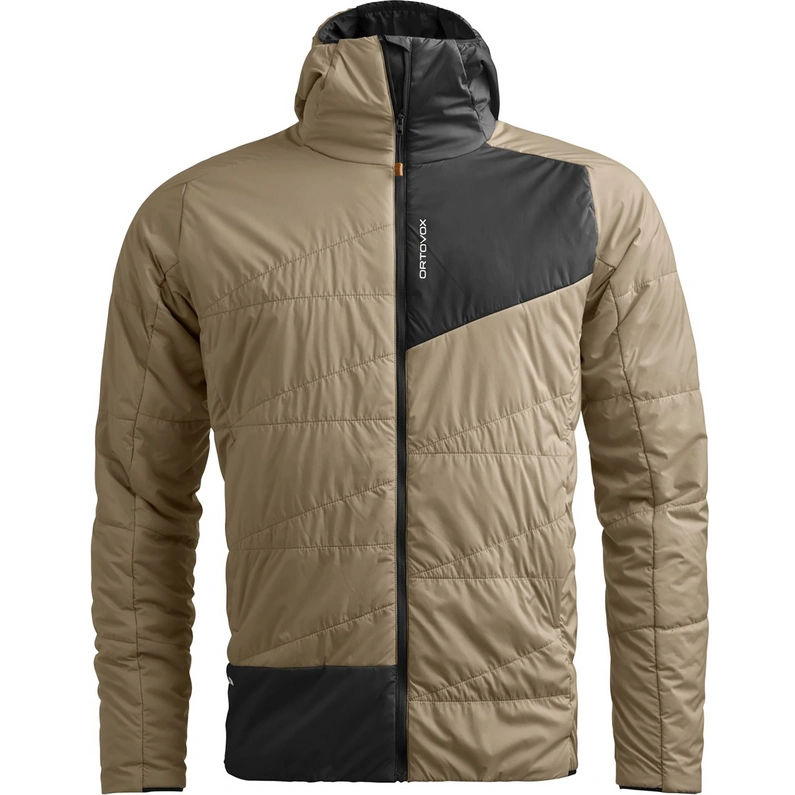
Swisswool insulation — Merino wool processed into functional padding — in a windproof Merino wool outer shell. Completely PFAS-free, naturally temperature-regulating, and naturally odor-resistant on multi-day trips. Ortovox's SafeSnow labeling makes PFAS-free identification simple.
Best for multi-day hikes. Temperature regulation outperforms synthetic fills on long trips.

Waxed cotton and G-1000 Eco construction — no PFAS, rewaxable, and built to outlast your hiking career. G-1000 panels at shoulders and hips handle heavy pack straps. The Greenland series is Fjällräven's heritage line, trusted in Arctic conditions since 1968. Fully PFAS-free since 2015.
Best for durability. If you want one jacket for a decade of hard use, this is it.
How to choose the right one
The jacket market is large and the jargon is dense. Here's what actually matters:
Insulation vs. shell: An insulated jacket (Nano Puff, Mythic G, Swisswool Piz Duan) replaces the need for a midlayer in cold conditions — you wear one jacket instead of two. A hardshell (Fjørgine) protects against wind and rain but needs a midlayer underneath for warmth. For most three-season hiking, an insulated jacket is the more efficient choice. For mixed alpine conditions, a hardshell with separate layers gives you more flexibility.
Waterproofing without PFAS: Modern PFAS-free membranes — Patagonia's H2No, Norrøna's Dermizax, Toray's Dermizax NX — are fully competitive with traditional ePTFE (e.g., Gore-Tex). The DWR (durable water repellent) on the outer fabric is what beads water on the surface; the membrane is what stops it getting through. A quality PFAS-free membrane is just as waterproof as Gore-Tex. The difference is in breathability — and that gap has essentially closed in the last two years.
Weight vs. warmth: Sub-400g: ultralight three-season or belay jacket. 400–600g: versatile all-around. 600g+: cold weather or durability priority. For most hikers in variable conditions, 400–500g hits the sweet spot.
Check the brand's PFAS policy: Patagonia and Fjällräven are fully PFAS-free. Norrøna is fully PFAS-free. Ortovox is fully PFAS-free. Rab is 91% PFAS-free with a 2026 completion target — check the specific product if it's important to you. All five brands we recommend are transparent about their chemical commitments, which is itself a positive signal.
Your PFAS-free hiking jacket checklist
- Confirm the membrane is PFAS-free (brand policy page)
- Check the outer fabric DWR is fluorocarbon-free
- Match weight to your typical conditions
- Insulated for cold; shell for variable conditions
- Packs down small if carrying in a pack
- Pit zips or full-side zips for dumping heat
- Two external pockets minimum (harness compatible)
- Check brand's repairability and warranty
All jackets on this page are verified PFAS-free and ship with affiliate links to the brand's official store.
Browse all PFAS-free hiking gear →Affiliate links: we earn a small commission when you buy through our links, at no extra cost to you. This is how CleanTrail stays free to run. All products were editorially selected — brands cannot pay for placement on this page.